


I still remember the first time I read For Whom the Bell Tolls poem by John Donne. It stopped me cold. A single bell. A single death. And suddenly, it felt like it was about all of us.
In this blog, I'll cover the full poem text, its meaning and themes, a simple literary analysis, historical background, and why it still matters today.
Let's get into it.
"You may also know this piece as 'No Man Is an Island': both titles refer to the same passage, and everything here applies to either.
Overview of For Whom the Bell Tolls Poem

John Donne wrote For Whom the Bell Tolls poem as part of a longer prose work called Meditation XVII in 1624.
It speaks about death, connection, and what it means to be human. The central idea is simple but powerful, no person lives or dies alone. We are all part of something bigger.
Donne was seriously ill when he wrote this. That personal pain made his words honest and real. The poem is short, but its message goes deep.
Readers across centuries have found something true in it, something that still speaks to life today.
For Whom the Bell Tolls Poem by John Donne
The full text of John Donne's 'For Whom the Bell Tolls' also published as 'No Man Is an Island' from Meditation XVII, Devotions Upon Emergent Occasions (1624).
No man is an island, entirely of itself;Every man is a piece of the continent, a part of the main.
If a clod be washed away by the sea, Europe is the less,As well as if a promontory were,As well as if a manor of thy friend’s or of thine own were.
Any man’s death diminishes me,Because I am involved in mankind.And therefore never send to knowFor whom the bell tolls;It tolls for thee.
Meaning of For Whom the Bell Tolls Poem
What does John Donne really mean? Here's a plain and honest breakdown of the poem's core message.
Line-by-Line Breakdown
Lines 1 to 2: "No man is an island, entire of itself / Every man is a piece of the continent, a part of the main"
Donne opens with the controlling metaphor. An island is isolated: it stands alone, surrounded by water, dependent on nothing.
Donne says no human being is that. Every person is land connected to a larger landmass. Remove one piece and the whole shape changes.
Lines 3 to 5: "If a clod be washed away by the sea, Europe is the less / As well as if a promontory were / As well as if a manor of thy friend's or of thine own were"
This is where Donne does something sharp:he deliberately scales from tiny (a clod of dirt) to large (a promontory, a rocky headland) to personal (your friend's land, your own land).
The scale does not matter. Small loss, large loss, personal loss all of them make Europe smaller. All of them make humanity smaller.
Lines 6 to 7: "Any man's death diminishes me / Because I am involved in mankind"
Donne shifts to first person here. This is no longer a general argument, it is a personal claim.
He is not saying people should feel connected. He is saying he already does. The word "involved" is precise: not observing mankind from outside, but embedded inside it.
Lines 8 to 10: "And therefore never send to know for whom the bell tolls / It tolls for thee"
The instruction follows logically from everything before it. If every death diminishes you, then asking "who died?" misses the point. The answer is always the same. A piece of you died. The bell tolls for thee.
Human Interconnectedness
Donne uses the image of land being washed into the sea. When even a small piece of land is lost, the whole continent becomes smaller.
He applies this same logic to people. When one person dies, all of humanity loses something.
This idea runs deeper than emotion. Every person depends on others, practically doctors, teachers, neighbors, strangers and emotionally.
Donne identified that dependency 400 years before we had language to describe it as a social or psychological need.
He is saying: your life matters to others, even if you don't see it.
Meaning of the Final Lines
"Never send to know for whom the bell tolls. It tolls for thee."
In Donne's time, church bells rang when someone died. People would ask, "Who died?" Donne says don't ask. The bell rings for you too. Every death is a small loss for everyone alive.
Themes in the Poem
Three big ideas run through this poem. Each one says something important about being human.
Unity of Humanity
The biggest theme is unity. Donne believed all people are connected. No one lives in total separation from others. What happens to one person touches everyone around them.
Faith and the Church
Donne was a Church of England priest when he wrote this. His argument about human connection is inseparable from his belief that all people are members of one body in God's design.
The Church bells he references were not random symbols, they were the sound of his institution marking every death as a communal event.
Understanding this makes the poem's urgency clearer:for Donne, ignoring another's death was not just emotionally cold. It was spiritually wrong.
Death and Mortality
Death is at the center of this poem. But Donne does not treat it with fear. He treats it as a shared experience. Dying is something all humans face.
That shared fact should bring people closer, not push them apart. Donne wrote this while seriously ill, hearing real church bells ring for neighbors dying around him.
The poem comes from lived experience of illness, of loss, of watching others suffer which is why it still feels honest today.
Literary Analysis
Let's look at how Donne built this poem and what tools he used to make it so powerful.
Metaphysical Conceit
A metaphysical conceit is a creative and sometimes surprising comparison. Donne compares a single person to a piece of land.
Then he compares humanity to a whole continent. This is a classic metaphysical move. It sounds simple but carries a lot of weight.
It makes an abstract idea, human connection, feel very concrete and real.
Donne was writing at a time when this kind of comparison, abstract to concrete, concept to physical image was a deliberate intellectual style.
He was not showing off. He was translating an invisible truth (we are connected) into something a grieving, sick, plague-era reader could actually see and touch.
Symbolism and Imagery
The bell is the strongest symbol. It stands for death. But Donne flips it. Instead of making it a sign of grief for one person, he makes it a reminder for everyone.
The island and the continent are also symbols. The island = isolation. The continent = community. Donne argues we should never choose isolation.
Language and Structure
The poem uses plain, direct language. No fancy decoration. Short lines. Clear thoughts. This was Donne's style. He wanted his ideas to land hard and fast.
The structure moves from general to personal. It starts with all of humanity and ends with the word "thee," pointing directly at the reader.
One technical note:this piece is not a poem in the traditional sense. It has no fixed meter, no rhyme scheme, no stanza breaks in its original form.
It is a prose passage from Meditation XVII that reads like a poem because of its rhythm and compression.
Many readers encounter it formatted as verse that is an editorial choice made over centuries, not Donne's original layout.
Historical Context
Knowing when and why Donne wrote this helps us understand it much better.
Origin in Meditation XVII
Donne did not write this as a standalone poem. It comes from Devotions Upon Emergent Occasions, a book he wrote in 1624 while recovering from a serious illness.
Meditation XVII is one section of that book. The poem is pulled from that meditation.
This context matters. Donne was not just thinking about death in theory. He was living it.
Influence of the Plague Era
The 17th century was marked by constant waves of plague and disease. Death was not something people could ignore.
Donne lived through that reality. His writing reflects a time when neighbors died quickly and often. The bell he wrote about rang frequently in London streets.
In that context, the phrase 'never send to know for whom the bell tolls' was a direct instruction to people who might literally send a servant to the church to ask who had died.
Donne is not speaking in metaphor here, he is addressing an actual 17th-century habit.
That habit of detachment, of treating a neighbor's death as news rather than loss, is what he is pushing back against.
This makes the poem less of a philosophical idea and more of a lived response to a painful world.
Why This Poem Still Matters Today
Centuries later, this poem still speaks to something very real in daily life.
Modern Relevance
We live in a world that often pushes people toward separation. Social media can make us feel alone in a crowd.
Donne's message cuts right through that. We are still part of each other. A person's pain still affects those around them, even if we pretend otherwise.
The poem went viral in spirit long before the internet existed.
And this is not only emotional. Our choices touch people we never meet. A decision made in one workplace affects a team.
A community that pulls together in a crisis is Donne's continent made real.
He identified 400 years ago what behavioral science now confirms:humans do not thrive in isolation. We are wired for connection, and ignoring that costs us.
Lessons on Empathy
This poem teaches one thing above all, pay attention to others. When someone suffers, it is not just their problem. It touches the whole group.
Donne asks us to feel that. To sit with it. To act from that place of shared feeling.
That is empathy. And this poem is one of its oldest teachers.
Why Did Hemingway Use This Title?
Ernest Hemingway borrowed the title directly from John Donne's Devotions Upon Emergent Occasions for his 1940 novel For Whom the Bell Tolls.
He quoted Donne in the novel's epigraph making the debt explicit, not hidden.
The novel is set during the Spanish Civil War and follows a man named Robert Jordan on a guerrilla mission.
Its theme of shared human fate and sacrifice mirrors exactly what Donne argued in 1624: that no one's death belongs only to them.
Many readers arrive at Donne's poem because they searched for the Hemingway title first. If that is you, you found the original.
The novel took its moral centre from this passage. Donne wrote it first, and he wrote it from a sickbed, not a war zone.
About the Poet – John Donne
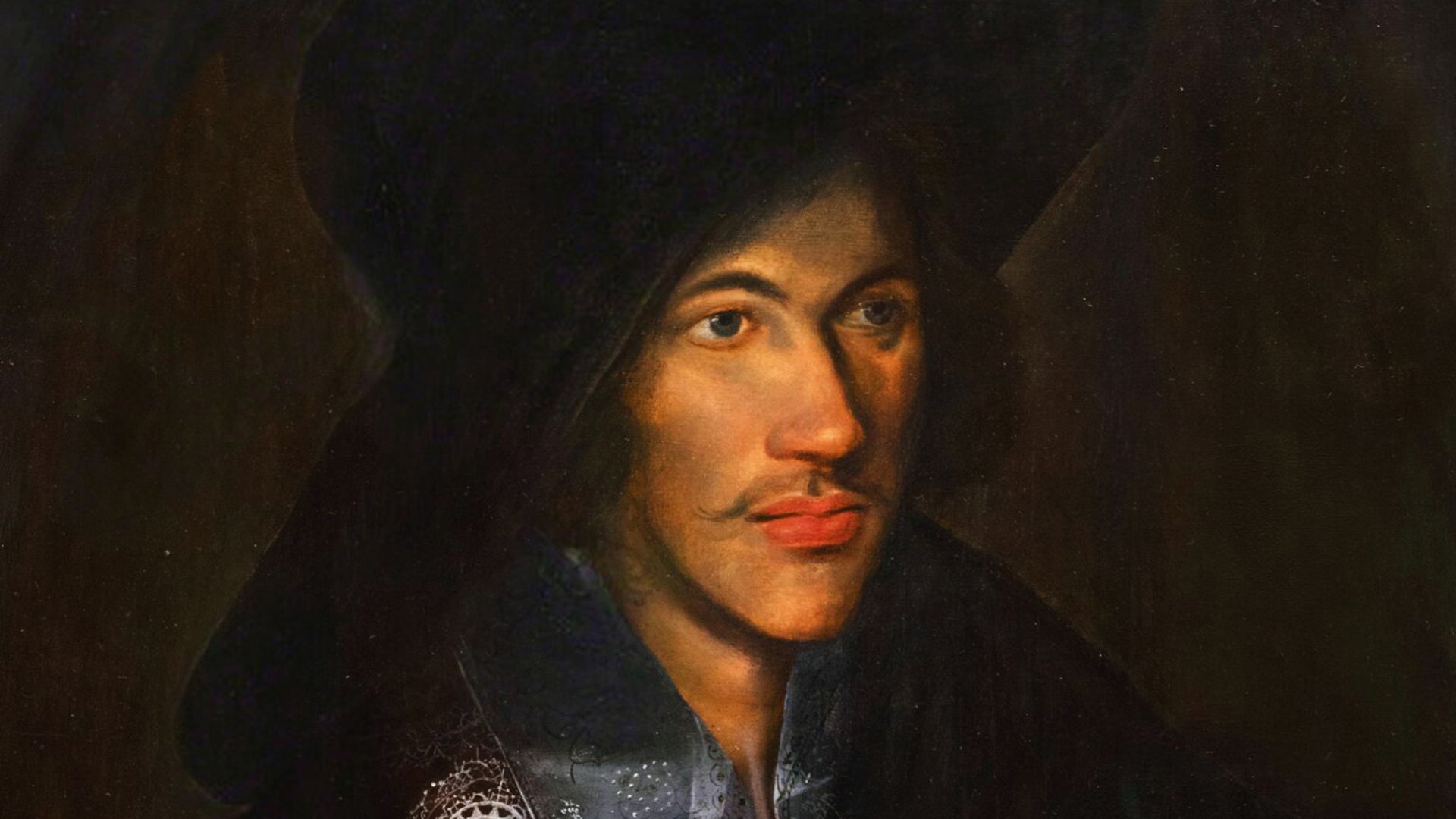
John Donne was born in London in 1572 into a Catholic family, which made his early life difficult and shaped how he saw the world.
He studied law and literature, traveled widely, and struggled financially for years. Later, he converted to the Church of England and became a priest.
Religion became central to everything he wrote. His sermons were known for their raw emotion and depth.
Donne is widely recognized as the leader of the Metaphysical Poets, a group that mixed logic with deep personal feeling.
That mix of faith, struggle, and sharp thinking made his words powerful and lasting.
Conclusion
Reading For Whom the Bell Tolls poem changed how I see loss. It reminded me that grief is not just personal. It belongs to all of us.
No one suffers alone, and that truth is both heavy and comforting. If this poem moved you the same way, I'd love to hear about it.
Drop a comment below and tell me what line hit you the hardest. Share this post with someone who needs a reminder that they are not alone.
That small act? Donne would probably approve.
Frequently Asked Questions
What does "no man is an island" mean in simple words?
It means no person can survive or thrive completely alone. Every human being depends on others emotionally, practically, and socially whether they recognise it or not.
What is the connection between "For Whom the Bell Tolls" and Ernest Hemingway?
Hemingway borrowed the title for his 1940 novel set during the Spanish Civil War. He quoted Donne directly in the epigraph, making the source clear the phrase originates with Donne, not Hemingway.
Is "For Whom the Bell Tolls" related to any songs or music?
Yes. Metallica and the Bee Gees both named songs after it, taking the phrase directly from Donne's 1624 meditation, not from Hemingway.