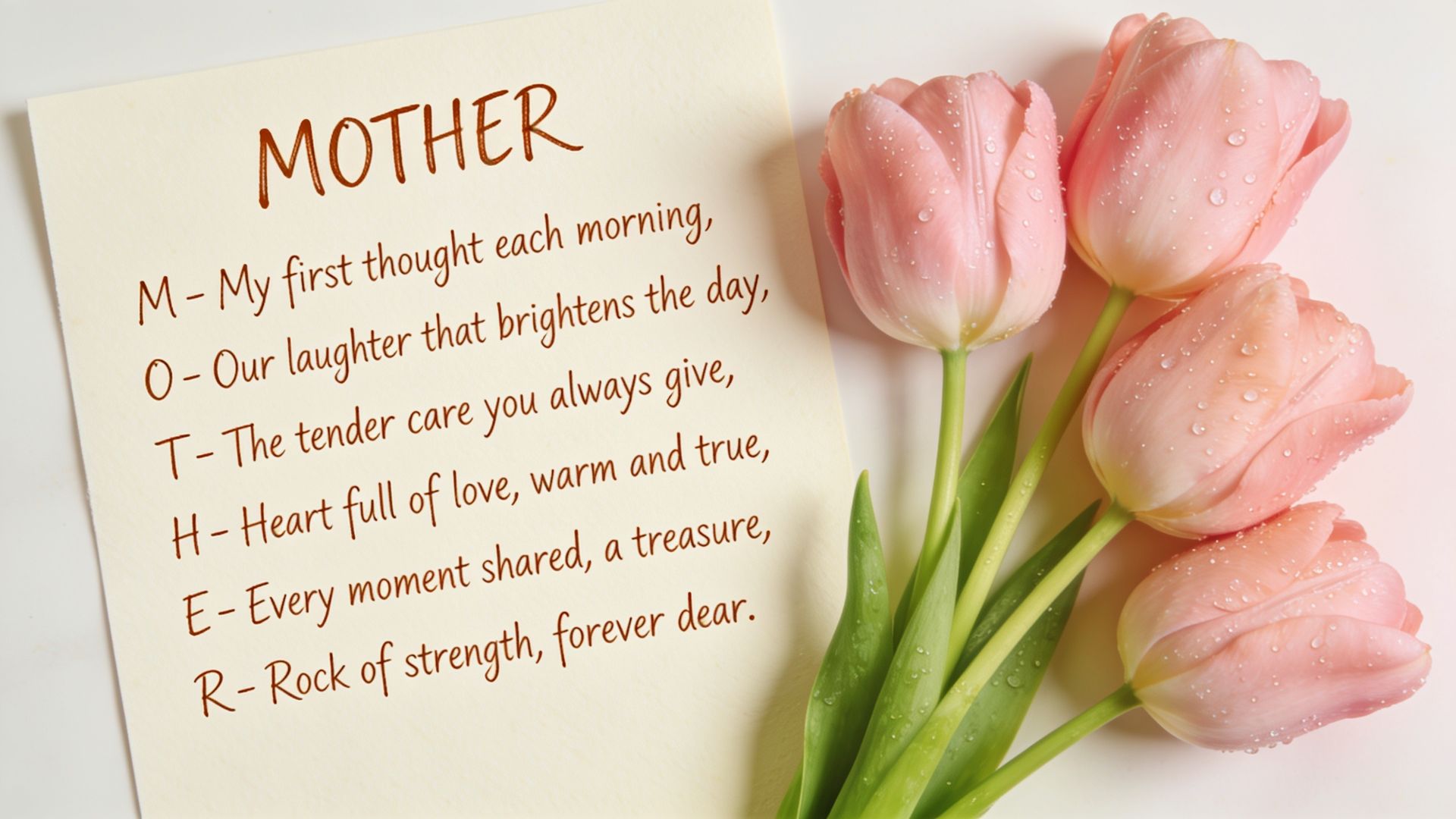
You’ve probably come across “do the next thing poem” in a sermon, a devotional, or a random social media post and wanted to read the whole thing.
This short, anonymous poem with last meaning from an old English parsonage has given real comfort to people in grief, anxiety, and total overwhelm.
The poem’s core idea is simple: Stop looking at everything at once, just do the one thing directly in front of you.
Elisabeth Elliot, the Christian missionary and author, brought it to wide attention after her husband Jim was killed in Ecuador. She didn’t just quote it. She lived it.
The Real Story Behind This Poem
Most people assume Elisabeth Elliot wrote this poem. She didn’t.
It’s anonymous, likely from the late 1800s, passed between households through handwritten notes and hymnbooks in old English parsonages. Nobody signed it. It spread because it was useful, not because someone wanted credit.
Elisabeth Elliot quoted it, recorded it, and built entire talks around it. That’s why her name got attached to it. But she always credited it as something she received, not something she wrote.
That distinction matters. This poem didn’t start with a famous missionary. It started with an unknown person in a quiet house writing down what was helping them survive the day. That origin makes it more honest, not less.
The Full Text of “Do the Next Thing”
Many a questioning, many a fear,Many a doubt, hath its quieting here.Moment by moment, let down from Heaven,Time, opportunity, and guidance are given.Fear not tomorrows, child of the King,Trust them with Jesus, do the next thing.
Do it immediately, do it with prayer,Do it reliantly, casting all care.Do it with reverence, tracing His handWho placed it before you with earnest command.Stayed on Omnipotence, safe ‘mid the storm,Do the next thing.
— Author Unknown, from an old English parsonage
How Elisabeth Elliot Made This Poem Famous
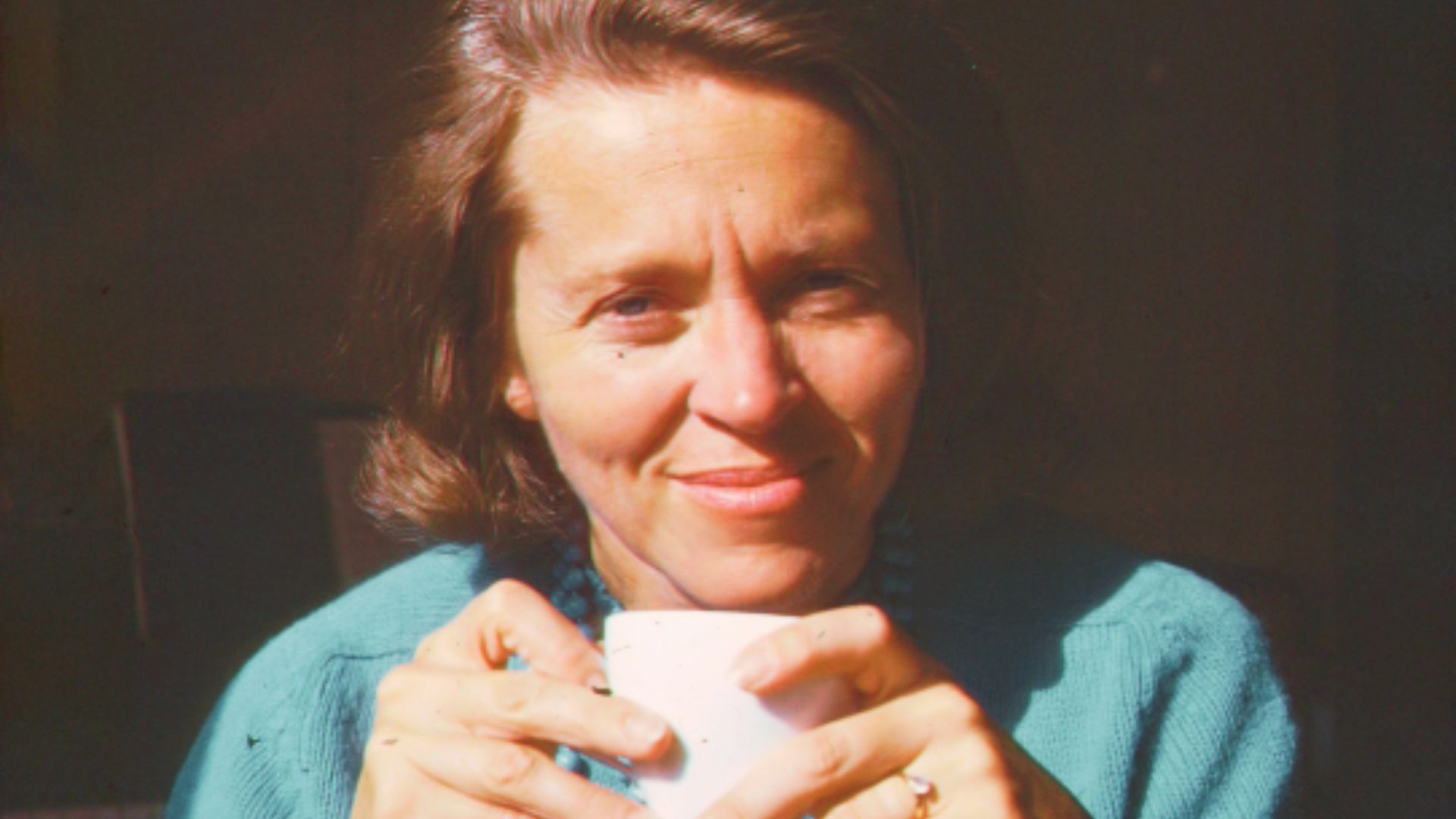
Elisabeth Elliot didn’t discover this poem in a library. She found it when she needed it most.
That’s the reason it spread. Not marketing, not publishing. One woman using it to survive, then sharing it with everyone around her.
Who Was Elisabeth Elliot?
Elisabeth Elliot was an American Christian missionary, author, and speaker who lived from 1926 to 2015.
She spent years in Ecuador working with indigenous tribes, including the Huaorani people, one of the most isolated groups in the Amazon at the time.
She wrote over 20 books. She hosted a radio program called Gateway to Joy for 13 years. Millions of people listened to her every week.
But none of that is why people still talk about her today.
The Story of Jim Elliot’s Death and Her Return to the Jungle
In January 1956, her husband Jim Elliot and four other missionaries were killed by the very tribe they were trying to reach.
Elisabeth was 28 years old with a ten-month-old daughter.
What she did next is what most people can’t wrap their heads around. She went back. Not away from Ecuador, back into it. She eventually lived among the Huaorani people, the same group that killed her husband, and continued the work.
She wasn’t performing strength. She was doing the next thing. Literally.
This poem wasn’t a concept to her. It was the actual mechanism she used to get through days that had no obvious reason to keep going.
Why She Kept Coming Back to These Specific Words
Grief doesn’t stay in one season. Elisabeth lost Jim, then later lost her second husband Addison Leitch to cancer in 1973.
She returned to this poem across decades, not just once.
That tells you something. It wasn’t a coping trick she outgrew. It was a principle that held up under repeated, real pressure.
She talked about it on the radio, in books, in letters to people writing to her from their own hard places. The poem kept working because the idea itself is sound. Stop looking at the whole mountain. Do what is directly in front of you right now.
That’s it. That’s the whole thing.
What the Poem Actually Means: A Stanza-by-Stanza Breakdown
This poem is short. But short doesn’t mean shallow.
Every line is doing real work. Here’s what each part is actually saying, in plain terms.
“Fear Not Tomorrows, Child of the King”
This is the poem’s opening posture. It’s not telling you to ignore tomorrow. It’s telling you to stop carrying it today.
“Child of the King” is a direct address to someone with a faith identity. It’s a reminder before it’s an instruction. You belong to someone. That changes what you have to hold on your own.
The fear of tomorrow is usually bigger than tomorrow itself. This line calls that out without making you feel foolish for feeling it.
“Do It Immediately, Do It with Prayer”
Two things happening here, not one.
“Immediately” pushes back against the paralysis that comes with overwhelm. Don’t wait until the path is fully clear. Start with what you can see.
“With prayer” isn’t decoration. It’s the admission that you’re not doing this alone. For someone in the faith tradition this poem comes from, prayer isn’t a ritual. It’s a hand reaching for something steadier than yourself.
Together, these two lines are saying: Move now, but don’t move alone.
“Do It Reliantly, Casting All Care”
“Reliantly” is an older word that simply means with dependence. Not self-sufficiency. Dependence.
This cuts against the instinct to white-knuckle your way through hard seasons. The poem is telling you to act, yes, but to act while leaning on something outside yourself.
“Casting all care” echoes 1 Peter 5:7 directly. It means releasing the weight of the outcome. Do the task. Let go of what you can’t control around it.
“Moment by Moment, Let Down from Heaven”
This line slows everything down.
It’s saying that what you need, time, clarity, strength, doesn’t all arrive at once. It comes in portions. Moment by moment.
That’s actually useful information if you’re someone who wants the full picture before they start. The poem is saying you won’t get it. You’ll get enough for now, and then enough for the next moment after that.
It reframes the absence of a clear plan as something normal, not a sign that something has gone wrong.
“Tracing His Hand Who Placed It Before You”
This is the line that ties the whole poem together.
The task in front of you didn’t land there randomly. That’s what this line is saying. There’s intention behind what’s on your plate today, even if you can’t see it clearly yet.
“Tracing His hand” is an act of looking back, finding the fingerprints of purpose in what felt like ordinary or even painful circumstances.
For the reader standing in the middle of a hard day, this is the line that turns a to-do into something with meaning. You’re not just getting through it. You’re following something.
The Three Core Spiritual Themes Running Through the Poem
This poem isn’t just practical advice dressed up in religious language. It has a clear theological backbone. Three ideas show up repeatedly, and once you see them, the poem hits differently.
Trust Over Anxiety: The poem never tells you to fix the thing you’re afraid of. It tells you to hand it over and move. That’s a trust posture, not a problem-solving one. Anxiety keeps your eyes on the whole staircase. This poem pulls them back to the single step under your foot.
Presence Over Planning: There’s no road map offered here. No five-step strategy. Just the next thing, right now. The poem is built on the idea that full clarity isn’t coming before you act, and waiting for it is its own kind of trap. Presence means working with what’s in front of you today, not what you hope will be clearer tomorrow.
Action as an Act of Worship: This is the part most people miss. The poem isn’t just saying “keep busy.” It’s saying that doing the small, ordinary, immediate thing, done with prayer and reliance, is itself a spiritual act, a kind of invitation to honest living that echoes other contemplative poems in this tradition. You’re not waiting to get to the meaningful part. The next thing you do is the meaningful part.
How to Apply “Do the Next Thing” in Your Own Life
The poem is easy to appreciate. Actually using it is a different story.
When everything piles up, don’t try to see the whole picture. Pick the most obvious next thing and do just that. The list gets shorter one item at a time, not all at once.
When you’re in grief, the next thing will feel small. Make the coffee. Answer one message. Get dressed. That’s not failing to cope. That’s exactly what the poem is asking. Elisabeth Elliot wasn’t doing grand things the morning after Jim died. She was doing what was directly in front of her.
When you don’t know what to do next, the poem’s answer isn’t “figure it out first.” Pray, then move toward the most obvious available action.
Clarity usually comes because of movement, not before it. You don’t need the full plan. You just need the next step, and most of the time you already know what it is.
Final Thoughts
The “do the next thing poem” has survived over a century because the idea behind it actually works.
You don’t need the full picture. You don’t need to feel ready. You just need to do the one thing directly in front of you, with prayer, and keep moving.
Elisabeth Elliot didn’t just quote these words. She proved them in the hardest circumstances imaginable.
If this resonated with you, share it with someone who needs it right now. Sometimes the next thing is just passing something useful along.
Frequently Asked Questions
What is the full text of the poem beyond the stanzas quoted?
The complete poem includes additional lines: “Leave all resultings, do the next thing. Looking to Jesus, ever serener, working or suffering be thy demeanour.”
Where can I find a printable version of “Do the Next Thing”?
No official printable exists. Several Christian blogs like GraceLaced and Gretchen Louise offer the full text, which you can copy and format yourself.
Is “Do the Next Thing” connected to any old Saxon legend?
Some sources trace the phrase’s roots to an ancient Saxon saying, though no specific legend has been formally documented or universally agreed upon.
Did Elisabeth Elliot’s radio program Gateway to Joy feature this poem regularly?
Yes. She returned to it repeatedly across her 13-year run, sharing it with listeners navigating grief, uncertainty, and everyday overwhelm.
Where does the phrase “do the next right thing” used in recovery circles come from?
It draws from this same poem’s tradition. The recovery community adopted the principle independently, likely through its broader Christian cultural circulation.