


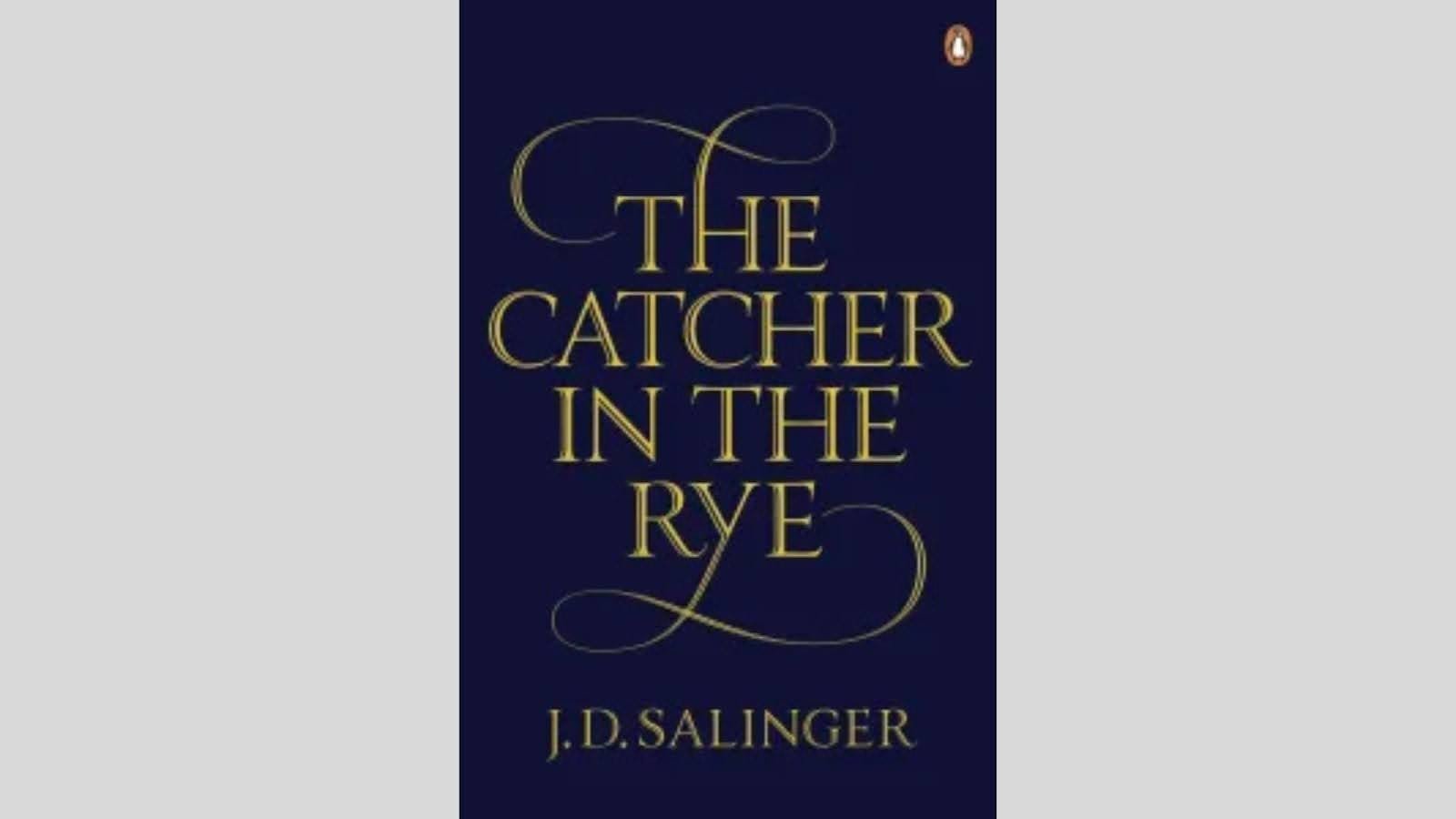
What makes an adolescent desire to escape reality? J.D. Salinger wrote The Catcher in the Rye (1951). In it, he explores this question through Holden Caulfield, along with a memorable and controversial character. Holden’s story resonates with all the readers of the blog, so this one blog explores just the reason why.
Teenage anger and mental health, in addition to growing up struggles, are all themes located in that novel. Holden’s story remains relatable to millions, though parents questioned it, schools challenged it, and it caused debates.
In this article, you will learn what makes The Catcher in the Rye a literary classic as well as why readers return to Salinger’s thorough exploration of adolescence and its importance.
Part 1: Direct Review and Critical Assessment
In this section, we’ll take a closer look at the novel itself, examining its story, themes, and writing style to understand its strengths and weaknesses.
The Catcher in the Rye: An Essential Review
J.D. Salinger’s The Catcher in the Rye remains one of the most talked-about novels in modern literature. This article explores Holden Caulfield’s storyline, the themes of adolescence and mental health, and why the book continues to resonate with readers decades after its release.
Plot Overview
Holden Caulfield gets kicked out of his fourth school. Instead of going home, he spends three days alone in New York City. He tells his story from a psychiatric hospital, looking back on those December days.
He wanders through the city, staying in hotels, meeting old friends, and talking to strangers. He visits his little sister Phoebe, the only person he truly trusts. Each encounter shows us more about why Holden feels so lost.
The story doesn’t follow a typical beginning-middle-end pattern. It’s more like watching someone fall apart slowly. We see Holden try to connect with people but push them away at the same time.
Critical Verdict
The book’s biggest strength is Holden’s voice. He sounds like a real teenager, angry, confused, and sometimes funny. Salinger captured something honest about being young and feeling like nobody understands you.
The main weakness? Holden can be hard to like. He complains constantly. He judges everyone as “phony” while lying himself. Some readers find him annoying rather than sympathetic. The language and mature content also make some people uncomfortable.
Still, the Catcher in the Rye review gives it high marks. It’s a 4 out of 5 stars. The book does something few others can: it shows the inside of a troubled mind with complete honesty. That’s rare and valuable.
Who Should Read This Book
Teenagers often connect with Holden’s anger at fake people and unfair rules. Adults reading it again see things they missed before, like how sick Holden really is. Both groups can gain something, but in different ways.
Be ready for strong language and references to sex and drinking. Salinger wrote the way teenagers actually talked. That authenticity is part of the point, but it’s not for everyone.
Timing matters with this book. Reading it at 15 hits differently than reading it at 35. Younger readers might see Holden as a hero. Older readers see someone who needs help. Both readings are valid.
Part 2: In-Depth Look into Literary Elements
Now we’ll examine the heart of Salinger’s work: the characters, themes, and symbols that make this book complex.
Understanding Holden Caulfield: Character Analysis
Holden Caulfield is one of literature’s most memorable teenage characters. He is rebellious, sensitive, and deeply conflicted, struggling to make sense of a world he often finds “phony.”
His cynicism and impulsive behavior reveal both his frustration with society and his vulnerability.
Holden’s constant questioning of people and rules shows a teenager wrestling with identity, loss, and growing up.
This article examines Holden’s complexity, exploring how his thoughts, actions, and emotions make him relatable even decades after The Catcher in the Rye was first published. Understanding him helps readers see why Salinger’s novel remains a classic.
The Lost Soul Protagonist
Holden represents teenage alienation at its peak. He feels separate from everyone around him. Nothing seems real or meaningful. This isn’t just typical teen angst, it’s deeper than that.
He’s not meant to be a role model. Salinger created him as a warning, not an inspiration. Holden makes terrible choices. He drinks too much, lies constantly, and refuses help. His thinking patterns show someone in crisis.
The psychological complexity makes him fascinating. He’s dealing with depression, unprocessed grief, and what we’d now call survivor’s guilt. In 1951, nobody talked about mental health this openly. Salinger broke new ground.
The Role of Grief and Trauma
Holden’s younger brother, Allie, died of leukemia three years before the story starts. This loss breaks something in Holden. He punched out all the garage windows the night Allie died. His hand still hurts during the novel.
Every destructive thing Holden does connects back to this unhealed wound. He can’t move forward because he’s stuck in grief. He carries Allie’s baseball mitt everywhere. He talks to Allie when he feels scared. The trauma runs through everything.
In the 1950s, people didn’t discuss therapy or PTSD. Salinger showed mental illness without the vocabulary to name it. This Catcher in the Rye review recognizes how ahead of its time the book was on this topic.
Themes and Symbolism in J.D. Salinger’s Masterwork
The novel works on multiple levels. Here are the main ideas Salinger finds.
Phoniness vs. Authenticity
“Phony” is Holden’s favorite insult. He sees fake behavior everywhere in his headmaster, in actors, in people who pretend to care. He craves something real in a world of lies.
But here’s the catch: Holden lies constantly. He pretends to be older. He makes up stories. He can’t see his own contradictions. This blind spot is part of what makes him unreliable and interesting.
What he really wants is a genuine human connection. He just doesn’t know how to get it. Every time someone reaches out, he runs away. It’s painful to watch.
Innocence and the Catcher Fantasy
The title comes from Holden’s dream job. He imagines catching children before they fall off a cliff in a rye field. He wants to protect kids from becoming corrupt adults.
This fantasy shows his core wish to stop innocence from dying. He can’t save himself or Allie, so he wants to save other children. It’s impossible, and he knows it.
Growing up means losing innocence. Salinger shows this as a kind of death. Holden fights against it, but change comes anyway. His sister Phoebe helps him accept this truth by the end.
Isolation and Connection
Holden reaches out constantly, calling old friends, talking to cab drivers, and inviting people for drinks. Then he pushes them away or leaves. He’s trapped in a pattern he can’t break.
His failed attempts at intimacy hurt to read. With Sally Hayes, he suddenly proposes running away together, then calls her phony when she’s reasonable. With his old teacher, he runs away, thinking the worst. He sabotages every connection.
The hospital setting at the end is the ultimate isolation. He’s completely alone, telling his story to doctors. Yet telling the story itself might be a form of reaching out. Maybe that’s a small hope.
Part 3: Narrative Technique and Style
Salinger’s writing style changed how authors wrote about teenagers. Here’s what makes it special.
Salinger’s Narrative Innovation
One of the most striking aspects of The Catcher in the Rye is Salinger’s unique narrative style. Told from Holden Caulfield’s first-person perspective, the novel feels like an intimate, unfiltered conversation with a teenager.
The use of colloquial language, digressions, and stream-of-consciousness writing captures Holden’s personality and makes readers experience the world through his eyes. This approach was innovative for its time and still feels fresh today.
This article highlights how Salinger’s narrative choices deepen the story, create emotional authenticity, and influence countless writers, showing why his style remains a key reason the novel endures.
The Voice That Defined a Generation
First-person narration puts us inside Holden’s head completely. We see everything through his eyes, including his distortions. He’s not a reliable narrator he contradicts himself and leaves things out.
The stream-of-consciousness style mimics how people actually think. Holden jumps from topic to topic. He starts stories and abandons them. His mind wanders. It feels real because it is how troubled thinking works.
Salinger nailed teenage speech from the 1940s. Words like “phony,” “crumby,” and “killing me” sound dated now, but were authentic then. This Catcher in the Rye review notes how the voice still works even though slang changes.
Why the Repetition Matters
Holden repeats himself constantly. “It really did.” “If you want to know the truth.” “I really do.” At first, this seems annoying. Then you realize it’s showing how his depressed mind circles the same thoughts.
His contradictions reveal internal conflict. He says he hates movies, then describes them in detail. He calls people phony while being fake himself. These aren’t mistakes, they’re character development.
Speech patterns become a psychological portrait. The way Holden talks shows us his mental state without Salinger having to explain it directly. It’s a brilliant technique disguised as simple writing.
Structure Without Traditional Plot
Nothing big happens in this book. There’s no villain to defeat, no problem solved. Holden wanders around, then goes home. That’s it. This broke the rules of storytelling in 1951.
The novel is character-driven, not plot-driven. We care because we want to understand Holden, not because we need to know what happens next. The tension comes from watching someone fall apart.
The flashback framing device matters too. Holden is already safe in the hospital when he tells the story. We know he survives. The question is whether he’ll recover emotionally, and Salinger doesn’t fully answer that.
Part 4: Cultural Impact and Controversy
This section examines how The Catcher in the Rye influenced culture, sparked debates, and became one of the most controversial novels in modern literature.
The Catcher in the Rye’s Legacy
The Catcher in the Rye has left a lasting mark on literature and popular culture. Since its release, it has sparked debates, inspired writers, and influenced generations of readers.
The novel’s exploration of teenage angst, rebellion, and mental health continues to resonate. Holden Caulfield’s voice feels timeless, capturing the struggles of adolescence in a way few books have.
This article highlights why Salinger’s work remains relevant, showing that more than 70 years later, The Catcher in the Rye still challenges, inspires, and connects with readers around the world.
Reception and Controversy
When J.D. Salinger published the book in 1951, reviews were mixed. Some critics called it brilliant. Others hated the language and found Holden unlikable. Regular readers made it a bestseller anyway.
Schools and libraries challenged it immediately. The profanity bothered people. References to sex and prostitution seemed inappropriate. Holden’s rebellion against authority scared adults. It became one of the most banned books in America.
The controversy continues now. Some see it as a dangerous book that celebrates bad behavior. Others argue that banning it misses the point that Holden is suffering, not thriving. This Catcher in the Rye review sides with keeping it available with proper context.
Influence on Literature
Before this novel, few books captured teenage consciousness so completely. Salinger basically created modern young adult literature. He showed you could write seriously about adolescent problems.
Later books with teenage protagonists owe a debt to Holden Caulfield. From The Perks of Being a Wallflower to The Outsiders, authors learned from Salinger’s authentic voice. The first-person troubled teen narrator became a whole genre.
Awards-wise, the book succeeded commercially rather than critically at first. Over time, its place in American literature became secure. Most schools teach it. That says something about its lasting value.
Part 5: Practical Reading Guidance
In this section, we provide tips and suggestions to help readers get the most out of The Catcher in the Rye, whether it’s their first read or a return visit.
How to Approach This Novel
Don’t expect to love Holden. Expect to understand him. The book asks for empathy, not agreement. You can disagree with his choices while recognizing his pain.
Read it knowing that Holden is a patient telling his story from a hospital. He’s not just a narrator, he’s someone getting help. That frame changes everything. His story is part of his treatment.
This Catcher in the Rye review suggests reading it twice if possible. The first time, you follow the surface story. The second time, you catch the psychological details Salinger planted everywhere. The book rewards close attention.
Reading Recommendations
Pay attention to mental health themes throughout. Notice when Holden can’t sleep, forgets to eat, or feels dizzy. These aren’t random details. They’re symptoms of his breakdown building.
Understanding Holden as a patient, not just a narrator, makes the ending more meaningful. When he says he misses everybody, even people who hurt him, that’s progress. He’s starting to process his feelings instead of running.
Every reread shows new layers. You might notice how often Holden mentions children or how he describes death. Small details add up. The book is shorter than most novels but deeper than it first appears.
Discussion Points
For book clubs: Does Holden change by the end? Is change even possible for him? The ending leaves this ambiguous on purpose. Salinger doesn’t give easy answers.
What happens after the novel ends? Does Holden go back to school? Does therapy help? We don’t know. Readers have debated this for decades. Your interpretation is as valid as anyone’s.
Think about how Holden compares to teenagers today. Social media, phones, and modern pressure differ from his world. But feeling alone, misunderstood, and angry? That hasn’t changed much. The core emotions are timeless.
Conclusion
J.D. Salinger achieved something outstanding with The Catcher in the Rye. Generations of readers argue about as well as connect with plus remember his short novel. You can’t ignore it, regardless of whether you love it or hate it.
The book adds to our comprehension of teenage psychology now. This contribution matters now more than ever before. Social change does not cause mental health issues to end. Holden’s pain remains recognizable to young people today, though his world seems unlike ours.
Readers of today still find relevant for themselves this Catcher in the Rye review of themselves. Yes, the language is indeed dated. Holden frustrates many people indeed. That honesty never gets old, but what it feels like is to be lost. Salinger represented the truth about human existence. It revealed youth struggling for their place.
Frequently Asked Questions
Is The Catcher in the Rye appropriate for teenagers?
It depends on the reader’s maturity. The book contains strong language and mature themes, but it’s often taught in high schools. Parents should know the content before deciding. Reading it with guidance helps teens understand Holden’s problems without glorifying his behavior.
Why was The Catcher in the Rye banned in schools?
Schools banned it for profanity, sexual references, and rebellious attitude. Some adults worried it would encourage bad behavior in students. Others felt the content was too mature. Despite bans, many schools still teach it with proper discussion of its themes.
What mental illness does Holden Caulfield have?
The book never diagnoses Holden directly. Many readers see signs of depression, PTSD, and anxiety. He’s grieving his brother’s death while showing self-destructive patterns. The 1951 setting means mental health wasn’t discussed like today, but Salinger clearly portrayed a psychological crisis.
What does the title The Catcher in the Rye mean?
Holden misunderstands a poem and imagines catching children before they fall off a cliff in a rye field. The metaphor represents his wish to protect innocence. He wants to stop kids from losing their childhood and becoming phony adults, an impossible dream.
Should I read The Catcher in the Rye as an adult?
Absolutely. Adult readers often get more from it than teenagers. You’ll see Holden’s mental illness more clearly and understand what he can’t see about himself. The book reads differently at different ages, which proves its depth. Many people benefit from reading it multiple times.