

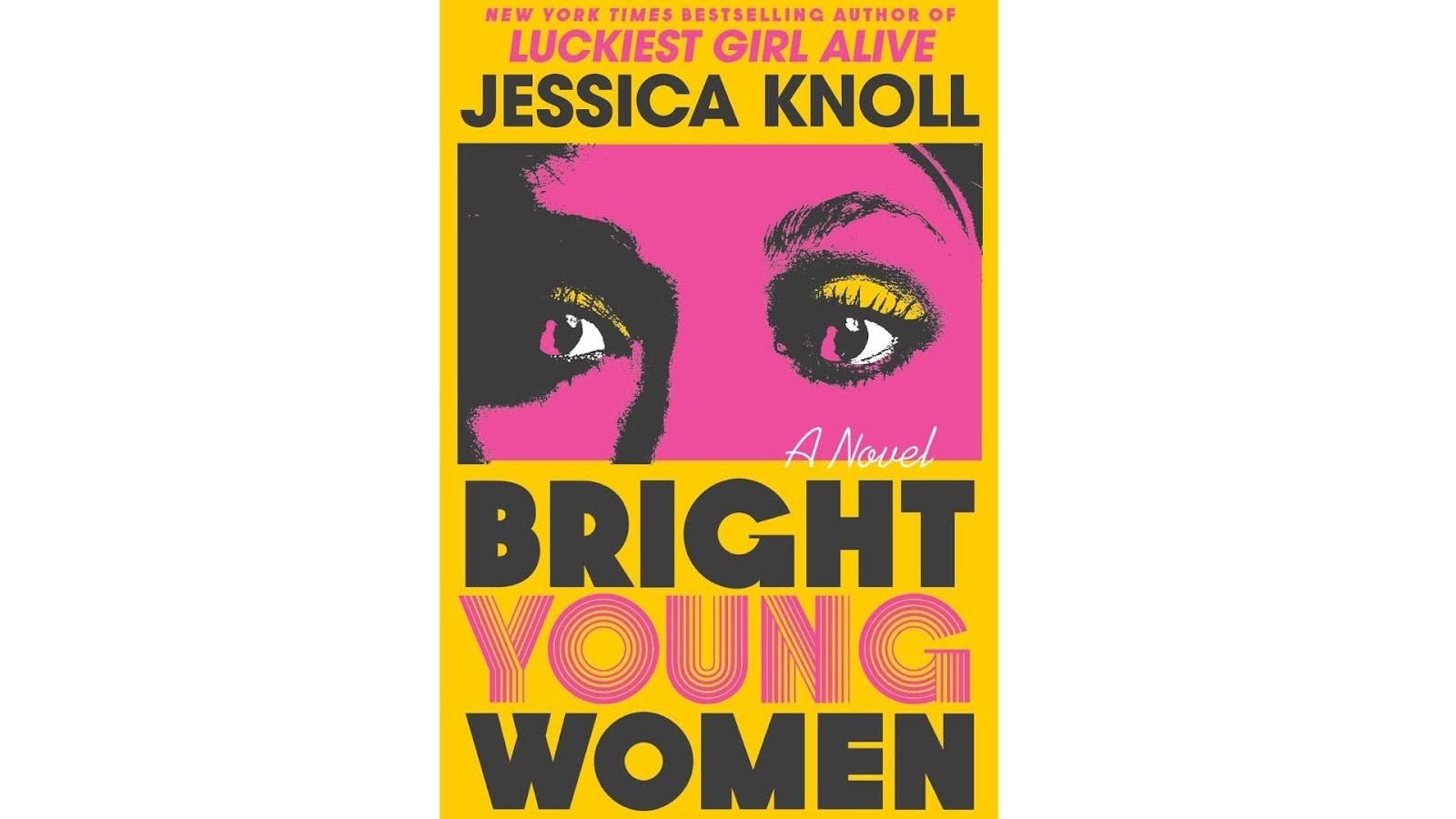
Jessica Knoll gained fame with her debut novel, “Luckiest Girl Alive,” and has since written another powerful story. One way to look at a well-known 1970s American criminal case is through the lens of “Bright Young Women.” This book stands out because it is not about the killer.
Knoll pays attention to the survivors and to the victims instead. One important question that she asks here is: Why is it that we forget about the people they hurt but remember criminals’ names? This book provides those women with value. Their stories are given to them.
I’ll share what’s good, what could be better, also who might enjoy this review. This is just the place if you need a bright young woman summary. That summary shall cover more than only the basic story now.
What Is “Bright Young Women” About?
The book follows two main characters in 1978. Pamela Schumacher is a college student in Florida whose sorority house becomes the site of a terrible attack. Tina Cannon lives in Seattle, where her friend Ruth disappeared years earlier. Both women are dealing with the same man, though they don’t know it yet.
The story moves between these two timelines and perspectives. We see Pamela trying to help police catch the attacker while dealing with her own trauma. Meanwhile, Tina refuses to give up on finding out what happened to Ruth. She knows something isn’t right about the man Ruth was dating.
This bright young woman’s summary wouldn’t be complete without mentioning the real history behind it. The book is based on the Ted Bundy case, one of the most famous serial killer stories in American history. But Knoll doesn’t use his name. She keeps the focus where it belongs: on the women who survived and those who didn’t make it.
Strengths of “Bright Young Women”
This book does several things really well. Let me break down what makes it worth reading.
Victim-Centered Narrative
Most true crime stories focus on the criminal. We learn every detail about their childhood, their thoughts, and their methods. The victims become background characters in their own stories. Knoll flips this around completely.
She gives full, rich lives to every woman in this book. We know their dreams, their jokes with friends, and their complicated family relationships. They’re not just names on a list. They’re real people who mattered.
By refusing to center the killer, Knoll makes an important point. These women deserve to be remembered for who they were, not just for what happened to them. Their lives had value beyond the worst day they ever experienced.
Complex Character Development
Pamela starts as a confident sorority president, but the attack changes her. She struggles with guilt for surviving when her friends didn’t. She fights to be taken seriously by police who think she’s too emotional. Watching her find her strength again feels real and earned.
Tina is different but equally compelling. She’s been searching for answers about Ruth for years. People tell her to move on, but she can’t. Her determination drives much of the story forward. The relationship between Tina and Ruth’s mother adds another layer of depth.
The friendships between women in this book feel true to life. They support each other, argue, make up, and show up when it matters most. These relationships are just as important as the main plot.
Writing Style and Structure
Knoll uses multiple points of view and time periods. This could get confusing, but she handles it well. Each chapter is clearly marked, and the voices are different enough that you always know where you are in the story.
The pacing keeps you turning pages. Knoll knows when to slow down for character moments and when to speed up the tension. She doesn’t include unnecessary scenes just to make the book longer. Every chapter serves a purpose.
Here’s the tricky part: writing about violence without making it feel exploitative. Knoll walks this line carefully. The book doesn’t shy away from the horror of what happened, but it doesn’t linger on graphic details either. The focus stays on the impact, not the act itself.
Themes Worth Discussing
When women get angry about injustice, they’re often called hysterical or overly emotional. This bright young woman’s summary needs to mention how Knoll tackles this head-on. Pamela’s rage is treated as valid and necessary. Tina’s refusal to let go isn’t portrayed as obsessive-it’s smart and justified.
Our culture has a weird fascination with serial killers. We make documentaries, podcasts, and movies that treat them like celebrities. The book asks why we do this. Why do we know every detail about the killers but can’t name their victims? Knoll challenges readers to think about what this says about us.
The women in this story refuse to be defined by their trauma. They want to be seen as complete people. Some find peace, others don’t, and that’s okay, too. The book doesn’t promise easy answers or complete healing. It shows that surviving is complicated.
What Could Be Improved
At nearly 400 pages, this book is long. Some readers might find certain sections could be shorter. The emotional weight of the story also makes it a slow read at times. You can’t just breeze through heavy material like this.
Speaking of heavy content: this book deals with murder, assault, and trauma. It’s not gratuitous, but it’s definitely present. If you’re sensitive to these topics, you might want to skip this one. The book doesn’t come with chapter-by-chapter warnings, so it’s hard to know when difficult scenes are coming.
A few plot threads feel like they could have been developed more. Some secondary characters appear and then fade away. While the main storylines are strong, there are moments where you might want just a bit more depth or resolution.
Who Should Read This Book?
If you love true crime but feel uncomfortable with how it often glorifies killers, this book is for you. It gives you the real story connection without the gross hero worship. You get the investigative elements and historical details without losing sight of what matters.
This bright young woman’s summary should also appeal to people who like character-focused thrillers. If you care more about why people do things than just what happens next, you’ll appreciate Knoll’s approach. The mystery elements are there, but the heart of the book is in the characters.
Readers interested in feminist takes on crime stories will find a lot to think about here. The book raises questions about how we tell these stories and who gets to be the hero. Fans of Knoll’s earlier work will recognize her sharp writing and willingness to tackle hard subjects.
Conclusion
“Bright Young Women” is not only a thriller. It focuses on the stories that are told and their importance. Knoll has given us a gripping and mindful book. That is not easy to do.
The story has flaws, including its length as well as heavy themes. It might not be suitable for everyone due to all these issues. It delivers to readers ready to think about memory, justice, and crime in a new way.
If you desire a fast “bright young woman” outline prior to reading, it recounts a famous matter examining the sufferer and poses key queries on our true crime obsession. It’s worth your time.
Frequently Asked Questions
Is “Bright Young Women” based on a true story?
Yes, the book is inspired by Ted Bundy’s crimes in the 1970s, including the sorority house attacks and his victims. However, Knoll uses fictional names and takes creative liberties with the narrative to focus on the women’s stories rather than his own.
How graphic is the violence in this book?
The book acknowledges violence without being exploitative. It’s not overly graphic, but it does deal with murder and assault. Readers sensitive to these topics should approach with caution. The focus is on impact rather than explicit details.
Do I need to know about Ted Bundy to enjoy this book?
Not at all. The book stands alone as a complete story. While knowing the real history might add context, Knoll provides everything you need to understand the plot. The book works whether you know the case or not.
What other books are similar to “Bright Young Women”?
Try “My Sister, the Serial Killer” by Oyinkan Braithwaite, “The Mars Room” by Rachel Kushner, or “In the Dream House” by Carmen Maria Machado. All offer fresh takes on crime stories with strong female perspectives.
Is this Jessica Knoll’s best work?
That depends on what you value in a book. “Luckiest Girl Alive” is tighter and more focused. This one is bigger and more ambitious. Many readers find “Bright Young Women” more mature and important, even if “Luckiest Girl Alive” is more accessible.