


Looking for the right words to use in your wedding ceremony? The Blessing of the Hands poem is one of the most meaningful readings couples choose today.
This article covers everything you need to know, including the full poem text, its meaning, when to use it, and who should read it. I’ve helped many couples find readings that feel real and personal, and this one always stands out.
You’ll also find tips on making it work for your ceremony style.
Meaning of Blessing of the Hands Poem
What this poem really says about love, commitment, and the promise two people make.
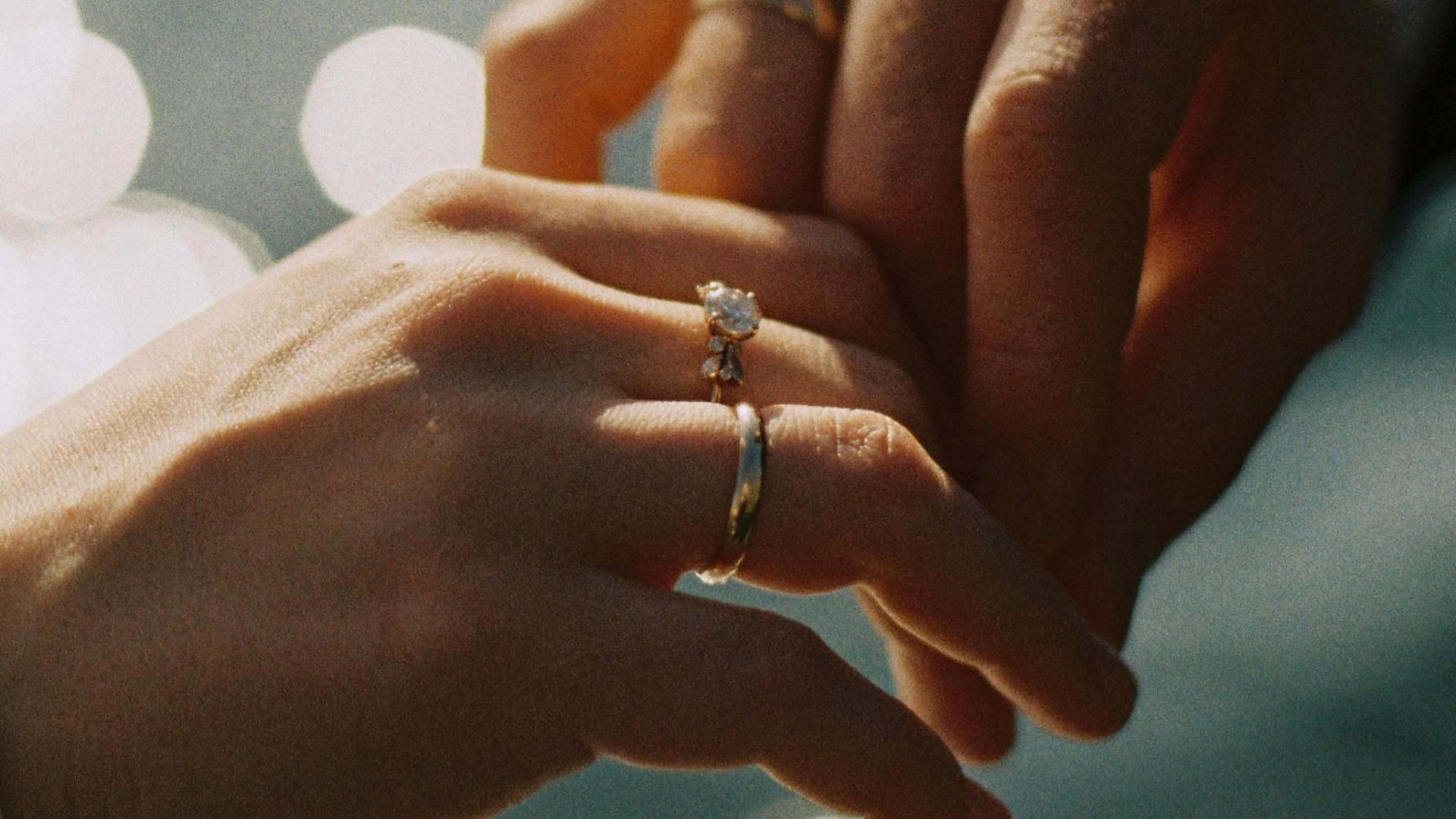
Hands are not just a body part in this poem. They stand for presence, comfort, and a connection that holds even when everything else shifts.
The poem does not promise a perfect marriage. It promises a partner who will stay. That is what makes it feel honest and real.
When the poem is read, couples are usually already holding hands. The words land differently in that moment. Guests feel it too. That is why this reading stays with people long after the ceremony ends.
Blessing of the Hands Poem Full Text
A short look at the full poem and how to present it at your ceremony.
Complete Wedding Ceremony Reading
“These are the hands of your best friend, young and strong and full of love for you, that are holding yours on your wedding day, as you promise to love each other today, tomorrow, and forever.
These are the hands that will work alongside yours, as together you build your future.
These are the hands that will passionlessly love you and cherish you through the years, and with the slightest touch, will comfort you like no other.
These are the hands that will hold you when fear or grief floods your mind.
These are the hands that will, countless times wipe the tears from your eyes; tears of sorrow, and tears of joy.
These are the hands that will tenderly hold your children.
These are the hands that will help you to hold your family as one.
These are the hands that will give you strength when you need it.
And lastly, these are the hands that even when wrinkled and aged, will still be reaching for yours, still giving you the same unspoken tenderness with just a touch.”
Why is the Blessing of the Hands Poem Popular in Weddings
Why so many couples across different ceremony styles keep choosing this reading.
This poem works across all ceremony styles because it does not rely on religious language. It fits civil ceremonies, handfasting rituals, and secular celebrations equally well.
The focus on hands makes it a natural match for handfasting, where a ribbon is tied around the couple’s joined hands.
It is also short enough to read in two to three minutes, which keeps the room engaged without losing the moment.
When to Use the Blessing of the Hands Poem in a Ceremony
Different places in a ceremony where this poem fits well.
Before Ring Exchange
Reading the poem just before the ring exchange works well.
The rings represent the same ideas the poem covers: Lifelong commitment, daily presence, and love that holds on.
The poem sets the tone. Then the rings make it official. The two moments work together.
During the Handfasting Ritual
If you are including a handfasting in your ceremony, read the poem while the ribbon or cord is being tied. Have the officiant read slowly. Let the words land between each knot or loop.
This is the most popular placement for this poem.
As a Closing or Opening Reading
Some couples use it as the opening reading to set the mood right away. Others use it near the end as a final thought before the couple is announced.
Both placements work. It depends on the flow of your ceremony and when you want the emotional peak to happen.
Who Should Read the Blessing of the Hands Poem
Thinking through who delivers the reading and how that changes the feel.
Officiant or Celebrant
Most of the time, the officiant reads this poem. They can set the pace, make eye contact with the couple, and guide the moment. A skilled officiant knows when to pause and let the words settle.
If your officiant is comfortable with emotional readings, this is a natural fit for them.
Family Members or Friends
A close friend or family member can make this reading feel more personal. Hearing it from someone the couple loves adds another layer of meaning.
If you go this route, pick someone who is calm under pressure and comfortable speaking in front of a crowd. A shaky delivery can pull attention away from the words.
Couple Reading It Together
Some couples read this poem to each other. One person reads a few lines, then the other continues. This approach is less common but very powerful.
It works best at smaller, more intimate ceremonies where the couple is comfortable with the spotlight.
Tips for Including Blessing of the Hands Poem
Here are a few things to keep in mind before the big day:
- Match the delivery to your ceremony tone, whether warm and relaxed or more formal.
- Practice reading it out loud at least a few times before the ceremony.
- Slow down during the reading so guests have time to take it in.
- Skip any stanzas that do not apply to your relationship.
- Add a short personal note before the poem begins to make it feel more yours.
Blessing of the Hands Poem for Different Wedding Styles
How the poem holds up across very different ceremony settings.
Traditional Weddings
In a traditional wedding with a full ceremony program, this poem works well as a formal reading. It pairs naturally with classical music, a church or chapel setting, and a structured format.
The tone is reverent without being stiff. It fits right in alongside other meaningful ceremony elements.
Modern Ceremonies
Modern weddings often mix personal touches with tradition. This poem gives couples a piece of history while still feeling fresh. Because it focuses on real, everyday love rather than grand gestures, it connects with couples who want something genuine.
It also photographs well. Guests tend to watch and react, which makes for memorable ceremony shots.
Intimate and Destination Weddings
For small gatherings or weddings held abroad, this poem works without a large setup. You do not need a full ceremony program or a big crowd for the words to hit.
At a beach wedding, a backyard gathering, or a mountaintop ceremony, the poem still carries weight. Its power comes from the words, not the setting.
About the Poet of Blessing of the Hands Poem
What we know, and what remains unclear, about who wrote this poem.
The poem is most often credited to Reverend Daniel L. Harris, though other names appear across different sources. Some versions list no author at all.
It spread through word of mouth and early internet forums, which made tracking the original source very difficult over time.
Different versions exist today. Some include faith-based stanzas, others do not. The core message stays the same across all of them.
Conclusion
I have always believed that the best wedding readings feel true, not just pretty. The Blessing of the Hands poem does exactly that. It talks about real love, the kind that shows up on hard days, not just the good ones.
If you are planning your ceremony, I hope this post helped you see how this reading can fit in. Try it out loud. See how it feels. Then make it yours.
Drop a comment below and let me know if you are using this poem in your ceremony. I’d love to hear your story.
Frequently asked questions
Is the Blessing of the Hands poem religious?
No, the poem does not use religious language in its most popular version. It works well for both religious and non-religious ceremonies.
How long is the poem?
The poem takes about two to three minutes to read aloud. It is short enough to hold attention without taking over the ceremony.
Can we modify the poem for our ceremony?
Yes. Many couples adjust lines to better fit their story. You can remove stanzas that do not apply or add a short personal note before or after the reading.
Who traditionally reads the Blessing of the Hands poem?
The officiant most often reads it, but close friends or family members can also deliver it. Some couples read it together, taking turns with each stanza.
Where did the Blessing of the Hands poem come from?
The poem is most often credited to Reverend Daniel L. Harris, though the authorship is not fully confirmed. It has been shared widely across wedding ceremonies and officiant guides for many years.