

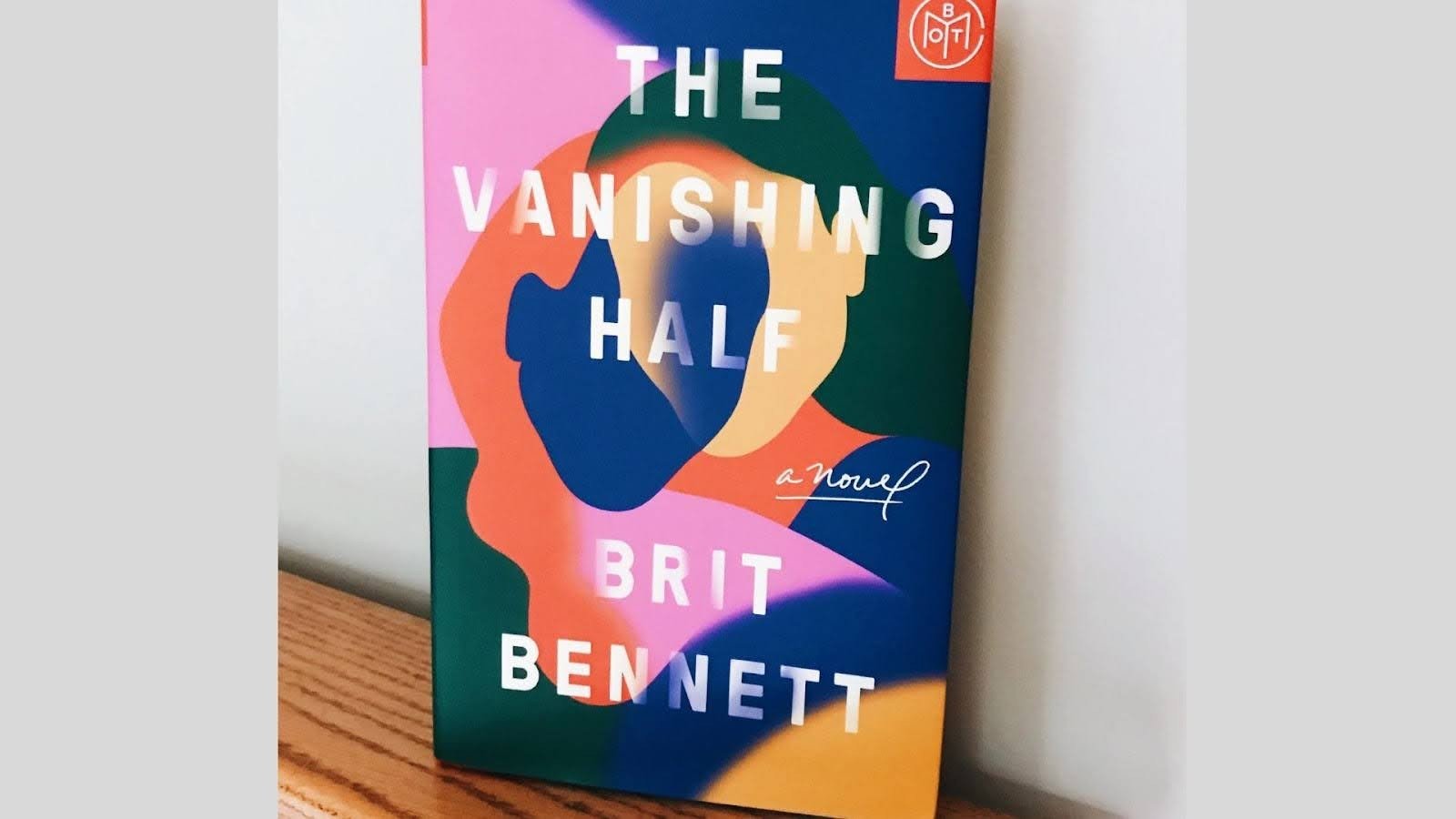
What happens in cases when the lives that twins live move in opposite directions? Within The Vanishing Half by Brit Bennett, one sister stays rooted in her Black culture. However, the other sister passes as white. Because their story is set in one small Louisiana town, it raises some lasting questions about race, belonging, and identity.
This novel has garnered praise from critics and readers for its profound emotional impact and cultural significance. Many deem it a modern classic capturing social history plus family drama.
I shall review The Vanishing Half in this blog as I plan to share reasons why such a strong discussion continues onward. Through skillful writing, the book becomes a pleasure for Bennett to read. The book’s most considerate themes do offer readers more for them to reflect on.
Core Summary and Context
Bennett creates a story that spans decades and shows how one choice can change everything:
Story at a Glance
The Vignes twins make opposite choices that define their lives. Stella decides to “pass” as white, leaving her family behind. Desiree embraces her Black identity and later returns home with her dark-skinned daughter.
Their choices create waves that reach their daughters. Jude grows up knowing about racism and family pain. Kennedy grows up wealthy and white, unaware of her true family history.
The novel shows how these four women’s lives connect in unexpected ways. Each character struggles with questions about who they really are and where they belong.
The Town of Mallard
Mallard, Louisiana, is more than just a setting. It’s a character in the story. The town was founded by people who valued light skin above all else.
Everyone in Mallard measures worth by how light someone’s skin is. This creates a community built on colorism and shame. The town’s values shape both twins in different ways.
Even when the sisters leave, Mallard’s influence follows them. It affects how they see themselves and raise their children.
Generational Impact
The book shows how parents’ choices affect their children. Stella’s decision to pass as white means her daughter, Kenned, grows up with privilege but without truth.
Desiree’s choice to return home means Jude faces colorism and rejection. Both daughters struggle with identity in their own ways.
The novel proves that family secrets have lasting effects. What parents hide often hurts the next generation in ways they never expected.
Identity and Belonging
At the heart of The Vanishing Half is the question of identity. Each character is caught between how others see them and how they see themselves. For Stella, belonging means leaving behind her roots, but it also means carrying the weight of her secret.
Desiree, in contrast, finds belonging in returning to Mallard, even though the town judges her choices. She accepts the pain of rejection because her identity feels more honest. Jude, her daughter, learns resilience in the face of cruelty, shaping her own strong sense of self.
The novel suggests that identity is never fixed, it shifts depending on choices, circumstances, and history. Belonging is complicated, and sometimes it comes at the cost of honesty or acceptance.
The Power of Secrets
Secrets drive much of the story’s tension. Stella hides her true self not only from the world but also from her own daughter. This silence creates distance, leaving Kennedy disconnected from her heritage.
Desiree also keeps parts of her life hidden, especially the pain she experienced in her marriage. These unspoken truths affect Jude, who grows up watching her mother’s quiet strength but also sensing her wounds.
By showing how secrets ripple through generations, Bennett highlights their destructive power. What one person hides often becomes the burden another has to carry, reshaping family ties in unexpected ways.
Author and Style
Brit Bennett brings skill and insight to this complex story about race and identity.
Brit Bennett’s Background
Bennett wrote her first novel, The Mothers, when she was still young. That book showed her talent for writing about Black women’s lives with honesty and care.
The Vanishing Half proves Bennett has grown as a writer. She takes on bigger themes and a longer timeline with confidence.
Bennett’s own background helps her write about colorism and passing with understanding. She is familiar with these topics through personal and cultural experiences.
Writing Style and Approach
Bennett writes with clear, beautiful language that’s easy to read but never simple. She makes complex ideas about race and identity accessible to all readers.
Her writing shows empathy for all her characters, even when they make harmful choices. She helps readers understand why people act the way they do.
The book moves between different time periods smoothly. Bennett makes it easy to follow the story even as it jumps between decades.
Literary Influences
Bennett’s work connects to authors like Toni Morrison and Nella Larsen. Like them, she writes about race with depth and nuance.
The book also connects to historical novels about passing, like Passing by Nella Larsen. Bennett brings these old themes into modern storytelling.
Her writing style balances literary quality with popular appeal. This makes the book work for both casual readers and literature students.
Major Themes Explored
Bennett tackles big questions about race, family, and identity in American society.
Race, Passing, and Colorism
The book shows how colorism divides communities. Mallard’s focus on light skin creates pain for everyone, including those it’s supposed to help.
Stella’s passing shows both the appeal and the cost of choosing whiteness. She gains safety and wealth but loses her family and true self.
The novel doesn’t judge Stella’s choice harshly. Instead, it shows why someone might feel they have no other option in a racist society.
Family, Secrets, and Belonging
Family relationships in the book are complicated by lies and distance. The twins’ separation affects everyone in the family for decades.
Secrets create walls between family members. Stella can’t tell Kennedy the truth. Desiree struggles with her own hidden pain.
The book shows that belonging isn’t just about blood. It’s about acceptance, understanding, and shared experience.
Identity and Transformation
The novel shows that identity isn’t fixed. People can change who they are, but there are always costs to these changes.
Both twins transform themselves in different ways. Stella becomes white. Desiree becomes strong and independent.
The book questions simple ideas about race and gender. It shows how people create their own identities within society’s limits.
Mother-Daughter Relationships
The relationships between mothers and daughters drive much of the story. Both Stella and Desiree struggle to connect with their daughters.
Stella can’t be honest with Kennedy about their family history. This creates distance between them that grows over time.
Desiree tries to protect Jude, but sometimes makes things worse. The book shows how good intentions can still cause harm.
Community and Outsiders
The book looks at who gets to belong in different communities. Mallard accepts some people while rejecting others based on skin color.
Kennedy fits into white society but feels empty. Jude struggles to fit in anywhere because of her dark skin.
The novel shows how communities can both support and harm their members. It questions who decides who belongs.
The Power of Choice
Every character in the book makes choices that shape their lives. Some choices bring freedom, others bring new forms of prison.
Stella chooses safety over family. Desiree chooses truth over comfort. Their daughters must make their own choices about identity.
The book shows that every choice has consequences. Some can be undone, others last forever.
Bennett’s Narrative Craft
Bennett uses smart storytelling techniques to bring this complex story to life.
Timeline and Structure
The book jumps between decades, from the 1950s to the 1990s. This shows how past events affect present lives.
Bennett makes these time jumps clear and easy to follow. Each section builds on what came before while adding new information.
The structure shows how family history repeats itself. The daughters face similar challenges to their mothers in different ways.
Character Development
Each main character feels real and complex. Bennett shows their good and bad sides without judging them.
Stella isn’t just selfish, she’s also scared. Desiree isn’t just strong, she’s also hurt. This complexity makes them human.
The characters change and grow throughout the book. Their development feels natural and earned.
Multiple Perspectives
The book tells the story from different characters’ points of view. This helps readers understand everyone’s motivation.
Each character’s section reveals new information about the same events. This creates a fuller picture of what really happened.
Bennett balances these different voices well. No single character takes over the story completely.
Strengths and Critiques
Every review balances praise with constructive criticism, highlighting what works well and what could be improved:
| Strengths | Critiques |
| Bennett’s rich, lyrical prose makes the world and characters come alive with vivid detail. | The writing style, while beautiful, may feel slow-paced to readers who prefer more action-driven plots. |
| Complex, flawed characters make the story deeply relatable and emotionally engaging. | Some side characters are less developed, leaving readers wishing for more depth in their arcs. |
| Themes of race, identity, and belonging are handled with care and nuance. | The exploration of certain themes can feel repetitive in places, slowing momentum. |
| The story’s emotional impact lingers long after finishing, resonating with readers on many levels. | The emotional heaviness may feel overwhelming for some, with little relief or lightness. |
| Smart, non-linear structure weaves together decades and perspectives seamlessly. | The time jumps may be confusing for readers not used to fragmented narratives. |
| Cultural relevance connects the novel to current conversations on race and privilege. | At times, the commentary feels more thematic than plot-driven, which may frustrate plot-focused readers. |
| The novel’s accessibility makes it engaging for both casual and literary readers. | Some literary critics may argue that the writing is too accessible, lacking experimental depth. |
| Strong sense of historical accuracy, capturing the attitudes and struggles of different eras. | A few historical details are lightly sketched, leaving room for more immersive world-building. |
| Balanced treatment of complex issues avoids simple answers, inviting reflection. | This balance can sometimes feel like emotional distance, leaving certain conflicts unresolved. |
| Intergenerational storytelling shows how family choices ripple across time. | Kennedy’s storyline can feel underdeveloped compared to Jude’s, creating an imbalance. |
Conclusion
The Vanishing Half powerfully reflects on American society far more than just being a good story. Even as Brit Bennett animates her characters, she discovers much. Bennett’s writing causes great concern for them and for you also.
In the event sagas as well as social issues are appealing, or in the event you appreciate beautiful writing, this novel will deliver well enough. It does well in every area. Each chapter ignites queries to animate talks, rendering it ideal now. It is suitable in addition for book clubs, book lovers, and story lovers.
Bennett has indeed written up a classic that is now modern in its retro script. Her skill in current fiction is shown in “The Vanishing Half” because it does cause such thoughts and such feelings. Now books deserve every bit of praise.
Frequently Asked Questions
Is The Vanishing Half based on a true story?
No, it’s fiction, but Bennett drew inspiration from real stories about passing and colorism in American history. The characters and specific events are made up.
Do I need to read The Mothers first?
No, The Vanishing Half is completely separate from Bennett’s first novel. You can read either book first without missing anything important.
Is this book appropriate for young adult readers?
Yes, though it deals with serious themes. The writing is accessible, and the content, while heavy, is handled thoughtfully and appropriately.
How long does it take to read The Vanishing Half?
Most readers finish it in 5-8 hours of reading time. The engaging story makes it a quick read despite its 343-page length.
What makes this Vanishing Half review different from others?
This review focuses on accessibility and practical guidance for readers, avoiding academic language while still covering the book’s literary merits thoroughly.