

Meta Description:
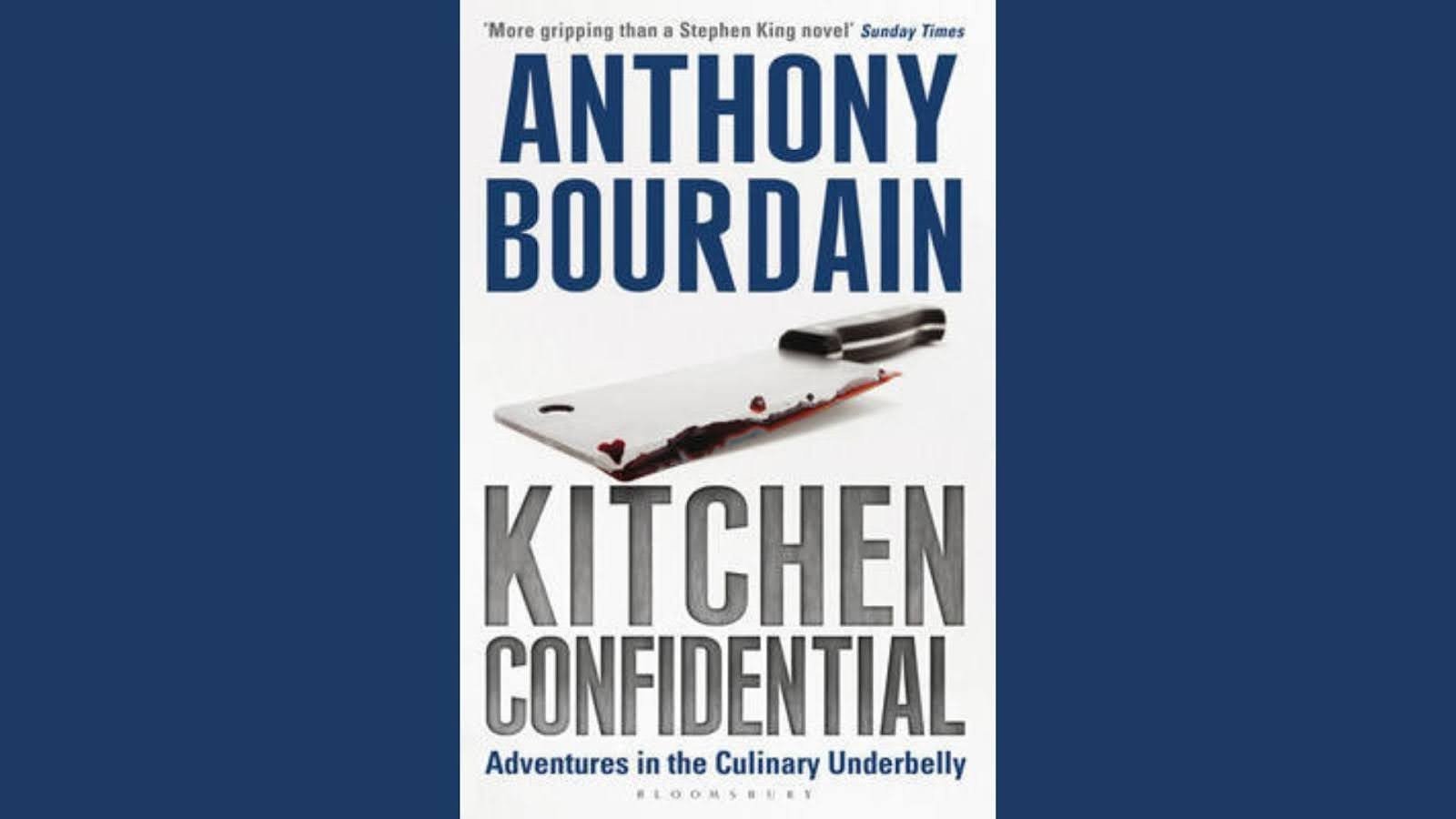
In this article, you even wonder what really happens behind those kitchen swinging open the door? Kitchen confident pulls back in a certain restaurant with zero filter. Anthony Bourdain, then just a working chef in New York.
What makes these books so addictive and attractive is Boundran’s voice. He writes like he is talking to you at a dive bar after a long shift, sharing am secrets the industry would rather keep quiet. There are dark rumors behind this industry.
If you love food memories or just want an unfiltered look at a world most of us never see, this is raw, entertaining, and completely hygienic and authentic.
What Makes Kitchen Confidential Stand Out?
Kitchen Confidential stands out because Anthony Bourdain doesn’t just write about food-he pulls back the greasy curtain on restaurant life with brutal honesty and dark humor. Unlike polished food memoirs, this book reads like your coolest chef friend spilling secrets over too many drinks.
What really makes it connect with you is Bourdain’s voice it feels like he’s talking directly to you, not lecturing from some culinary high horse. Whether you work in restaurants, love food, or just appreciate good storytelling.ng.
The book resonated so deeply because it changed how we think about restaurants forever. After reading it, you’ll never look at your server or that open kitchen the same way.
Bourdain’s Honesty and Humor
Kitchen Confidential pulls no punches. Bourdain confesses everything: drug use, kitchen affairs, and the absolute chaos that defines restaurant work. He doesn’t make himself look good. He makes himself look human.
The humor is self-deprecating and sharp. Bourdain laughs at his own mistakes while respecting the craft of cooking. His storytelling style grabs you by the collar and doesn’t let go until the last page.
This honesty changed food writing forever. Before this book, chef memoirs were polite and sanitized. After Kitchen Confidential, readers expected and demanded the real story.
Writing Style and Impact
Bourdain’s prose crackles with energy. You can feel the heat, smell the garlic, and hear the clatter of pans. His writing style mirrors gonzo journalism, intense, personal, and atmospheric.
Critics compare his work to George Orwell’s reportage. Both writers pulled back the curtains on overlooked industries. Bourdain made kitchens feel like war zones, artist studios, and pirate ships all at once.
This kitchen confidential review can’t ignore the book’s massive impact. It launched the modern food memoir trend and inspired countless chefs to tell their own stories. Shows like No Reservations and Parts Unknown grew directly from this book’s success.
Key Themes Explored in Kitchen Confidential
Bourdain explores food, identity, chaos, and survival through stories that feel almost mythological.
Sensualist’s Path into Food
The oyster story is Bourdain’s origin tale. As a kid on a boat in France, he ate his first raw oyster and fell in love with risk, flavor, and adventure. That moment defined his entire life.
Food becomes rebellion in his hands. Eating isn’t just nutrition it’s about breaking rules, testing boundaries, and living fully. Bourdain treated every meal like a small act of defiance.
This theme runs through every chapter. Food is never boring when Bourdain describes it. It’s always dangerous, sensual, or meaningful in some deeper way.
Kitchens as Pirate Ships
Kitchens aren’t fancy places in this book. They’re survival zones filled with misfits, egos, and people running from something. Bourdain describes them as pirate ships, lawless, hierarchical, and intense.
He shows deep appreciation for immigrant workers who keep kitchens running. Ecuadorian, Mexican, Dominican, and Salvadorian cooks earn his respect and admiration. Without them, he says, restaurants would collapse.
This kitchen confidential review highlights how Bourdain humanized kitchen staff. He didn’t romanticize them or pity them. He simply showed their skill, toughness, and essential role in American restaurants.
Mentors and Characters
Bourdain introduces readers to unforgettable people. Bigfoot is the iron-fisted manager who rules through fear and efficiency. He’s terrifying but effective.
Then there’s Adam Real-Last-Name-Unknown, the degenerate bread genius. Adam is talented, self-destructive, and completely unreliable. Bourdain writes about him with affection and exasperation.
These characters feel larger than life but completely real. They’re the kind of people who make restaurant work exhausting and addictive at the same time.
Highlights from the Memoir
Certain chapters stand out as masterpieces of food writing and storytelling.
“Mission to Tokyo” Chapter
This chapter is the most celebrated section of the book. Bourdain’s voice already sounds like his later travel shows. He explores Tokyo with curiosity, humor, and respect.
The writing foreshadows No Reservations and Parts Unknown. You can see the TV host emerging from the chef. His ability to connect with people and places shines through.
Readers and critics point to this chapter as proof that Bourdain had something special. It’s not just a food story it’s about culture, connection, and being open to the world.
Rock Star Persona of Chefs
Bourdain reframed how people see chefs. Before this book, chefs were either invisible or fancy French guys. After Kitchen Confidential, they were countercultural icons, rebels, and artists.
He compared kitchen work to rock and roll. Late nights, drugs, chaos, and creative intensity defined both worlds. Chefs became cool in the popular imagination.
This shift changed restaurant culture permanently. Young people started viewing kitchen work as a valid creative path, not just a backup plan.
Criticisms and Weak Points
Even great books have flaws, and this Kitchen Confidential review wouldn’t be honest without mentioning them.
Slow Start
The early coming-of-age chapters drag a bit. They’re interesting but not as gripping as later sections. The oyster story is the exception it’s perfect.
Some sections feel repetitive. Bourdain makes the same points about kitchen life multiple times. Editors could have tightened these passages.
Many readers recommend pushing through the first few chapters. The book finds its rhythm once Bourdain gets into his professional cooking years.
Heavy Details
Bourdain packs the book with insider kitchen lingo and food references. Terms like “mise en place,” “brigade system,” and specific French techniques appear constantly.
Non-foodies might feel lost or overwhelmed. The book assumes some baseline interest in restaurants and cooking. Casual readers may need to look up terms.
That said, context clues help. Bourdain explains enough that you can follow along even without culinary school training.
Who Should Read Kitchen Confidential?
This book isn’t just for foodies. It appeals to readers who enjoy edgy memoirs, gonzo writing, or counterculture stories. If you liked Hunter S. Thompson or Joan Didion, you’ll probably like this.
It’s perfect for anyone curious about the hidden realities of restaurants. Ever wonder why chefs seem stressed? Or what happens to your food before it reaches your table? This book answers those questions.
People who love Bourdain’s TV shows should definitely read this. It’s where everything started. You’ll see the roots of his personality, humor, and worldview.
Conclusion
Anthoney Bourdran’s Kitchen Confidential is the book that changed for food writing forever. It’s messy, funny, comedic, and brutally honest in a way that feels like sitting at a bar with someone who’s finally telling you the truth.
Sure, some parts of the calm drag a little, and if you’re not into the kitchen slang, you don’t might get lost here and there. But that’s a part of the charm. The Writing has its raw energy that pulls you in, and the stories.
What really makes this book special is Anthony bourndran’s not trying to be likable or polished. He just tells it like it is, really, and the honesty is rare. It’s a preference a books, but it’s really one, and that’s exactly why people still talk about it today.
Frequently Asked Questions
Is Kitchen Confidential based on true events?
Yes, Kitchen Confidential is a true memoir based on Anthony Bourdain’s real experiences working in restaurants. All the stories, characters, and confessions come from his actual life as a chef in New York City and beyond.
Do I need to be a foodie to enjoy Kitchen Confidential?
No, you don’t need to be a foodie. While the book contains food references and kitchen terminology, it’s really about work culture, survival, and personal growth. Readers who enjoy honest memoirs will appreciate this kitchen confidential review subject.
What age group is Kitchen Confidential appropriate for?
Kitchen Confidential is best for adults due to explicit language, drug references, and mature themes. The content includes profanity and honest discussions about sex and substance use in restaurant culture.
How long does it take to read Kitchen Confidential?
Most readers finish Kitchen Confidential in four to seven days of casual reading. The book is about 300 pages and moves quickly due to Bourdain’s engaging storytelling style and short, punchy chapters.
Did Kitchen Confidential launch Anthony Bourdain’s TV career?
Yes, Kitchen Confidential directly launched Bourdain’s television career. The book’s success led to his first show, A Cook’s Tour, followed by No Reservations and Parts Unknown. This kitchen confidential review shows how one book changed everything.