

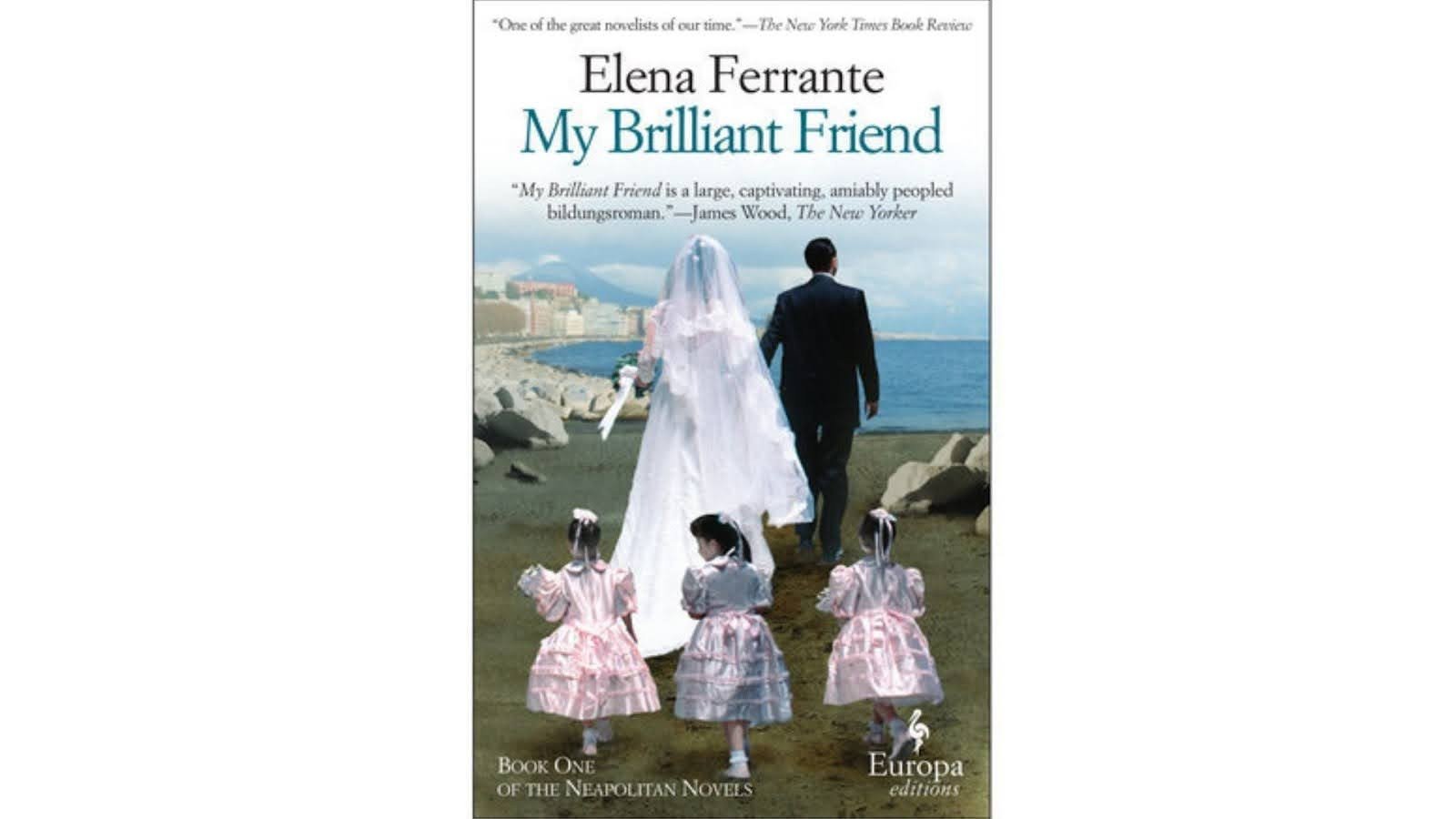
Have you ever experienced friendship in your life? Elena Ferrante’s “My Brilliant Friend” shows the complex link to shaping their whole being. This book summary summarizes Ferrante’s “My Brilliant Friend,” the Neapolitan Quartet series’ initial novel.
The book follows Elena, in addition to Lila, two friends who grew up within a rough Naples neighborhood after World War II. Their friendship feels intense, competes with intensity, as well as sometimes hurts. This story shows friendship along with honesty therefore, readers throughout the world have connected to the story.
In this summary of my brilliant friend’s book, you’ll learn about the main events as well as the characters. Ferrante writes honestly regarding class differences, as well as women’s raw lives. She also addresses the desire on the part of people to escape from difficult circumstances.
The Story Begins: Elena and Lila’s Childhood in 1950s Naples.
The story opens with a shocking event: Lila Cerullo has disappeared. This prompts her childhood friend, Elena Greco (called Lenù), to write down their story. Elena looks back to their childhood in a dangerous Naples neighborhood where poverty and violence were everywhere.
The area was controlled by loan sharks and criminals. Don Achille, a feared loan shark, ruled through intimidation. In this harsh setting, two smart girls met in elementary school. When their dolls disappeared, they believed Don Achille had taken them. This shared mystery brought Elena and Lila together.
Lila showed her brilliance early-she taught herself to read at just seven years old. Elena was smart too, but she always felt like she was chasing after Lila’s natural talent. From the start, their friendship mixed admiration with competition. Elena wanted to keep up with her brilliant friend, and this drive would shape her entire life.
School Years and Diverging Paths
In school, Elena and Lila competed fiercely for the best grades. Their teacher, Maestra Oliviero, saw their potential and encouraged both girls to continue their education. But their paths started to split when they took the entrance exam for middle school.
Lila tried to ruin Elena’s test by suggesting they skip school and go to the sea instead. Despite this, Elena did well on the exam. Then came a turning point: Lila’s parents refused to let her continue school. Around the same time, Don Achille was murdered, and a man named Alfredo Peluso was arrested for the crime.
Elena went on to middle school while Lila started working in her father’s shoe repair shop. But Lila’s mind was too active to stop learning. She borrowed library books and started a secret project with her brother Rino, designing beautiful shoes that could make their family wealthy. Even without formal education, Lila found ways to use her sharp mind.
Adolescence and Growing Complications
As they grew into teenagers, Elena struggled through middle and high school. She worked hard but often felt average. Meanwhile, Lila read whatever books she could find and kept learning on her own. The girls dreamed of writing a novel together, imagining a life beyond their neighborhood.
New dangers appeared in the form of the Solara brothers, Marcello and Michele. These young men were criminals who harassed girls in the neighborhood. Once, when they threatened Elena, Lila grabbed a knife and scared them away. This moment showed Lila’s fearless nature-something Elena both admired and envied.
At summer dances, Lila attracted attention from several boys. The Solaras kept bothering her, but other boys showed interest, too. Pasquale, a kind boy, taught Lila about Italian history and politics. Elena reconnected with Nino Sarratore at high school, someone she had feelings for. The year ended with a fireworks competition on New Year’s Eve between Rino and the Solaras, showing the ongoing tensions in their world.
Dreams of Escape Through Different Means
Lila and Rino’s shoe designs could have been their ticket out of poverty. But when they showed the prototype to their father, Fernando, he reacted with violence. He beat Lila and rejected the whole idea. This felt like the end of Lila’s dreams.
Then Marcello Solara started pursuing Lila seriously, bringing gifts and attention. Elena, meanwhile, spent the summer on the island of Ischia with a family friend named Nella Incardo. There, she had an uncomfortable encounter with Donato Sarratore, Nino’s father, that confused and upset her.
Back in Naples, a new option appeared for Lila. Stefano Carracci, the son of the murdered Don Achille, had become a successful grocery store owner. He showed interest in Lila, bought her prototype shoes, and proposed marriage. He promised to fund the shoe business. Lila accepted, partly to escape Marcello. She made it clear to Marcello that he shouldn’t come to her wedding, a warning that would later prove important.
The Wedding and Betrayal
Elena helped Lila prepare for the wedding, feeling a mix of emotions. She felt scared for her friend, jealous of the attention Lila received, and anxious about their futures. Adding to her sadness, Nino told her that an article she wrote wouldn’t be published.
Tensions ran high between Lila’s family and Stefano’s family. Lila had made one request: Marcello Solara must not attend the wedding. But at the chaotic reception, something terrible happened.
Marcello walked into the party wearing the prototype shoes, the special shoes that meant everything to Lila. Stefano had given them to Marcello, breaking his promise to Lila. This betrayal crushed Lila’s dreams and showed her that even marriage wouldn’t free her from the neighborhood’s power structures. The book ends with this devastating moment, leaving readers to wonder what will happen to both girls.
Key Themes in My Brilliant Friend
This is my brilliant friend. A book summary wouldn’t be complete without looking at the bigger ideas in the book. Ferrante writes about several important themes that make the story meaningful beyond just one friendship.
- Female friendship: The relationship between Elena and Lila shows how complicated friendship can be, mixing competition with deep loyalty
- Class struggle: The story shows how hard it is for poor people to move up in society, even when they’re smart and hardworking
- Education as freedom: School represents a possible escape, but not everyone gets the same chances
- Violence everywhere: From parents to criminals, violence shapes daily life in the neighborhood
- Limits on women: The girls face constant restrictions on what they can do and become
- The price of success: Getting ahead often means losing something important along the way
These themes work together to create a story that feels real and important. Ferrante doesn’t offer easy answers but instead shows life as it actually is for many people.
Tips for Reading the Neapolitan Quartet
Starting this series can feel overwhelming because there are so many characters and details. Here are some helpful tips for getting the most out of your reading experience.
- Use the family trees: Most editions include character lists and family trees at the beginning, and refer to them often.
- Remember, it’s a series: This is book one of four, so some questions won’t be answered right aw. ay
- Notice who’s telling the story: Older Elena is writing about her past, which affects how events are described
- Think about reliability: Elena is telling the story, but is she always accurate or fair about Lila?
- Learn the history: Understanding 1950s Naples and post-war Italy helps the story make more sense.
- Appreciate the translation: Ann Goldstein translated the books from Italian, keeping Ferrante’s powerful voice.
These tips will help you get through the detailed story and understand all the layers of meaning. Many readers find it helpful to read slowly and take notes about the characters.
Conclusion
Elena Ferrante’s storytelling power is indeed shining bright on almost every page of this novel. About friendship, she writes very honestly. She also covers poverty as well as women’s lives. The ending sets up the rest of the series with perfection.
The feelings as well as the experiences happen to be universal, even though the story has been set in a specific time and place. Elena and Lila’s bond will ring true for someone who has a complex friendship. By anyone, their desire to escape will be understood who has felt trapped. Those people have comprehension of what their desires are.
This book resonates globally with readers because it tells the truth about human relationships, plus the forces shaping our lives.
Frequently Asked Questions
Do I need to read the entire Neapolitan Quartet series?
“My Brilliant Friend” works as a standalone book, but the series tells one continuous story. Each book covers a different time in Elena and Lila’s lives. The full effect comes from reading all four volumes. Ferrante herself thinks of them as four parts of one complete novel.
Is My Brilliant Friend based on a true story?
The novel is fiction, though Ferrante uses her experience growing up in Naples. The author’s secret identity makes people wonder if it’s real. The realistic details make it feel like a true story. In the end, it’s a work of literary fiction.
Why is the author Elena Ferrante’s identity a secret?
Ferrante stays anonymous to let her work speak for itself. She has maintained this privacy since publishing her first novel in 1992. Many journalists have tried to figure out who she is. The mystery has become part of the books’ popularity.
What age is appropriate for reading My Brilliant Friend?
The book contains violence, sexual content, and grown-up themes. Most people recommend it for ages 16 and up. Parents should think about individual maturity levels. The content shows the harsh realities of the characters’ world.
How does the TV adaptation compare to the book?
HBO’s series has received great reviews from critics. It was filmed in Italian with subtitles to keep it authentic. Ferrante helped with the production. Both the book and the show offer different but valuable ways to experience the story.